Editorial Board
Make A Mark Journal editorial leadership and board members.
Make A Mark Journal
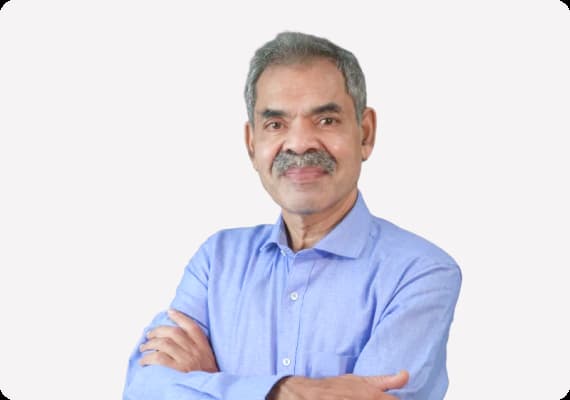
Prof. TV Gopal
Editorial Chair
Dr. T V Gopal retired on superannuation as a Professor of Computer Science and Engineering at the CEG Campus, Anna University. Dr. T V Gopal has expertise in computer science, software engineering, information architecture, usability engineering, and cyber–physical systems. One of his research areas includes "Science and Spirituality". Dr. T V Gopal has published around 90+ research papers. He has written four books and co-edited eleven conference proceedings. He is actively associated with many professional societies such as CSI, ICANN, IFIP WG 9.2, IEEE, and ACM India Council. He is an expert member of the Editorial Advisory Board of the International Review of Information Ethics (IRIE), the official journal of the International Centre for Information Ethics (ICIE). Dr. T V Gopal served as Director, Centre for Applied Research in Indic Technologies (CARTI), Anna University (https://www.annauniv.edu/CARIT/) until retirement on superannuation. For the full profile, please visit: https://vidwan.inflibnet.ac.in/profile/57545
View full bio →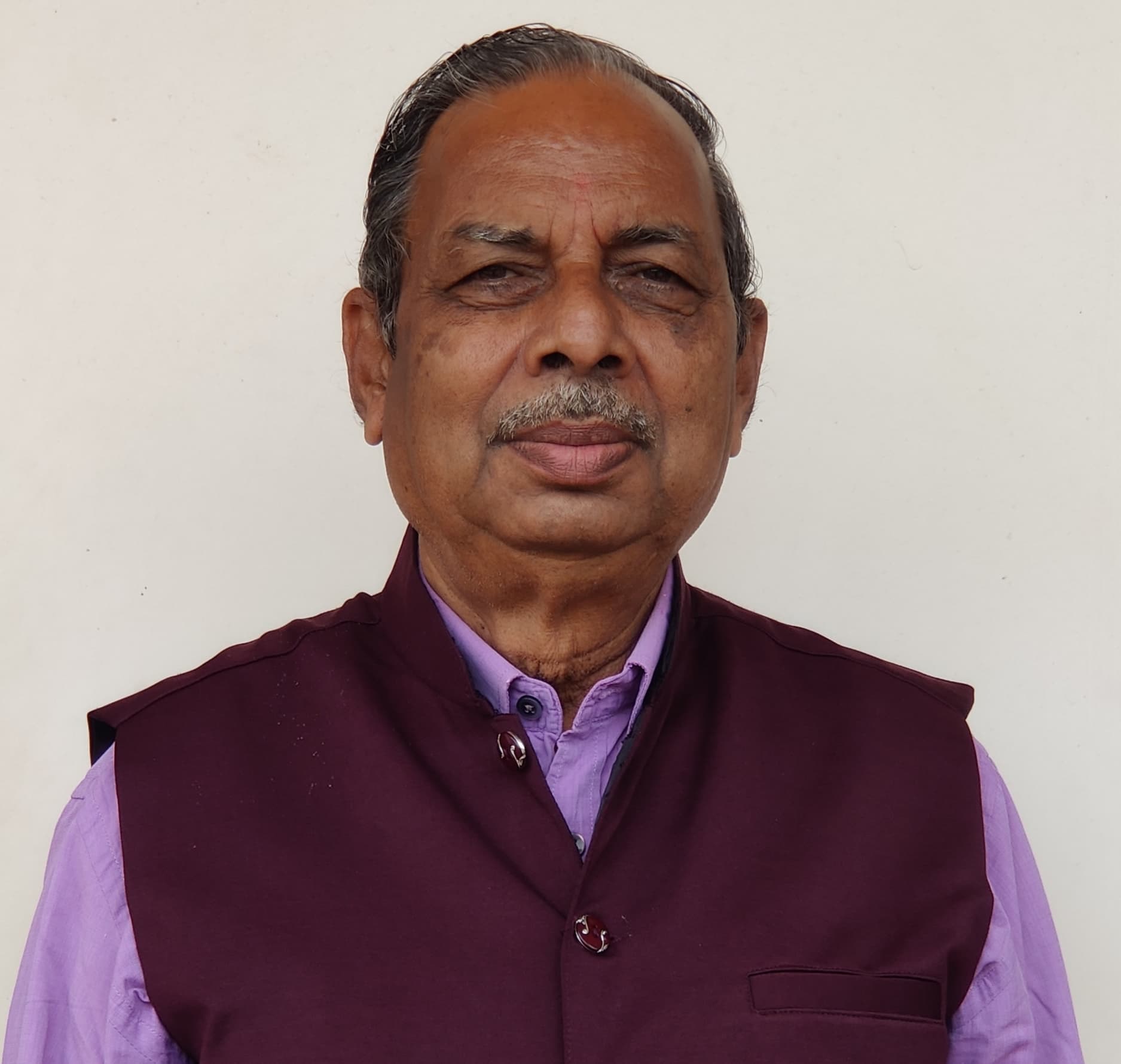
Dr. Sudhakar Agarkar
Editorial Member
Dr. Sudhakar Agarkar is presently working as Professor and Dean at VPM’s Academy of International Education and Research, Thane. After a long career in science and mathematics education at the Homi Bhabha Centre for Science Education (Tata Institute of Fundamental Research), Mumbai he retired on June 30, 2013. He has obtained his M. Sc. degree in Chemistry from the University of Nagpur in 1975 with university rank and Ph. D. in Science Education from the University of Poona in 1988. Over the past five decades he has made his name in the field of science and mathematics education. Presently he engages himself in understanding a rich Indian heritage in science and mathematics and spreading the awareness about it among students, teachers and parents. Dr. Agarkar has varied professional experience of planning, implementation and evaluation of educational projects. He has successfully managed educational projects like Talent Search and Nurture among the Underprivileged (1980-86), Remedial Programme for Secondary Schools in Tribal Regions (1987-90), Improving Teaching of Science and Mathematics through Voluntary Organizations (1990-93), Quality Improvement Programme for Ashram Schools (1993-2000), In-service Training of Teachers and Teacher Educators (2000-2006), and Open Educational Resources for Schools (2007-2013). Dr. Agarkar has conducted pioneering research in the field of science and mathematics education. Some of the areas of his research are: Instructional Strategies, Use of technology in education, Teacher professional development, etc. His special interest lies in the education of the socially deprived students. Working with disadvantaged students in Mumbai and tribal areas in Maharashtra he has developed Remedial Instructional Strategy to facilitate learning of science and mathematics among socially deprived sections of the society. This work has received international recognition and he receives invitations both from developing as well as developed countries to present his research. In-service training of teachers and teacher educators is yet another area of work for Dr. Agarkar. He has conducted a large number of in-service training courses in science and mathematics education in India and abroad. Based on the experiences gained in these courses he has come out with a training module for practicing teachers and teacher educators. He has also brought out supporting instructional material in school science and mathematics to be used by teachers in their day-to-day teaching. Science and mathematics popularization is an area of great interest for Dr. Agarkar. He enjoys answering children’s questions, conducting lecture demonstrations, preparing scripts for radio and television and writing popular articles for newspapers and magazines. He stands out in explaining involved scientific concepts even to a layman through his specially developed story telling technique. As a life member of the Marathi Vidnyan Parishad (a voluntary organization engaged in spreading science using the regional language Marathi) he has been organizing a variety of popular events to take science and mathematics to masses. He has written numerous popular articles that have been published in local newspapers and magazines like Vidnyan Patrika, Vidnyan Varta and Disha. Dr. Agarkar has received many awards and distinctions. During his college days he was the recipient of National Merit Scholarship of the Government of India (1971-75). He was felicitated by the Marathi Vidnyan Parishad for his outstanding work in science education (1992). He was awarded Rotary Foundation Ambassadorial Scholarship to pursue his studies in distance education at the Open University in Milton Keynes, UK (1998-99). He was honoured by the American Biographical Institute for distinguished leadership (2004). He is the recipient of Mary McCurdy International Award for outstanding service in elementary education in the country (2004). He has been elected as a Fellow of International Union of Pure and Applied Chemistry (2005). He received Sanjeevrayasarma award for his contribution to remedial mathematics (2011). He has also been given Homi Bhabha Award in Science Education (2012). His book on Activity based teaching of Biology received Best Instructional Material Award of the Association of Teacher educators while another book entitled Activity based teaching of Physics received Best Science Literature Award of the Government of Maharashtra. Based on his research and field experiences Dr. Agarkar goes on writing articles and books. He has published more than 100 technical papers in reputed peer reviewed national and international journals. He has contributed to a series of four books on Remedial Algebra and four books on Remedial Geometry as a self-study material for students who are weak in mathematics. He has brought out a series of three books on Activity based Teaching of Science for teachers. He has coauthored popular science books: A book on Science Quiz, How and Why in School Science, Use of Vacations for Students’ Personality Development, Close look at China, Educational Tour of Oxford and Cambridge. He was involved in the design of M. Ed. (Science Education) course implemented by Yashvatrao Chavan Maharashtra Open University (YCMOU), Nasik and worked on curriculum for D. El. Ed. Programme implemented by the National Institute of Open Schooling (NIOS), Delhi to provide in-service training to teachers in remote areas of the country through distance mode. He has contributed chapters to five international publications: 1. Mathematics Education around the World (National Council of Teachers of Mathematics, 1999), 2. Subject Teaching and Teacher Education in the New Century (Kluwer Academic Publishers, 2000), 3. Science Education Research in Asia (Springer Publishers, 2013), 4. Science Education: A Global Perspectives (Next Generation Publication 2013), 5. New Directions in Mathematics and Science Education (Sense Publishers, 2017). Dr. Agarkar is a globe trotter. He gets invitations to deliver lectures from various universities and institutions. He is also invited to give key note addresses and plenary lectures in national as well as international conferences. In addition, he undertakes study visits and conducts educational tours of Indian teachers and students to other countries. He has been taking a team of school students from Thane to China to participate in China Adolescent Science and Technology Innovation Contest (CASTIC) since 2007. In collaboration with the League for the Exchange of Commonwealth Teachers (LECT) he has been organizing educational tours of Indian teachers and students to UK every year since 2004. He has been taking a team to Brazil to participate in Mostratec, a science and technology fair since 2013. Since 2016 he has started taking a team to the Danish Young Scientists Fair held every year in Copenhagen. In collaboration with his son Dr. Agarkar has initiated a start-up company named CodexAR. In the capacity as the Chief Academic Officer of the company he is helping in designing Multimodal Learning Units to enhance students’ understanding of abstract science concepts. A mobile app named ARious (Augmented Reality for Curious) has recently been launched and tested for its effectiveness. This app has received a positive response both from teachers and students in developing as well as developed countries.
View full bio →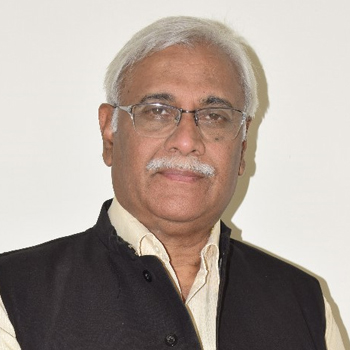
Prof. Arun Kumar Pujari
Editorial Member
Prof. Arun Kumar Pujari joined as Advisor & Professor Emeritus, Department of CSE, Mahindra University in November 2020. He had an extensive tenure from 1985 to 2019 at the School of Computer and Information Sciences, University of Hyderabad. His distinguished career includes serving as the Vice Chancellor of the Central University of Rajasthan (2015-2020) and Sambalpur University (2008-2011). Before joining the University of Hyderabad, Prof. Pujari served at Jawaharlal Nehru University (JNU), New Delhi, and the AutoCarto Cell, Survey of India. His academic journey includes earning a Ph.D. from IIT Kanpur. Prof. Pujari has played pivotal roles in various advisory capacities, contributing to decision-making committees of organizations such as DST, UGC, AICTE, DOS, and more. Notably, he served as the Chairman of the Executive Committee on Conservation of Indian Heritage and Related Matters at DST. His involvement extends to serving as a member of the Programme Advisory & Monitoring Committee (PAMC) on the Technology Fusion and Application Research (TFAR) Program of DST, Government of India. Prof. Pujari actively participated in the development of TechDome for the Central Vista Project, chaired by the Principal Scientific Adviser (PSA) to the Government of India. Additionally, he was a core member of the group responsible for the Republic Day Tableau by NM-ICPS. He has served as member of the Governing Bodies of several Government Institutions and Corporates. His contributions at the University of Hyderabad include serving as Dean, Head of Department, and various other responsible positions. With over 100 publications to his name, Prof. Pujari has also supervised more than 20 doctoral students.
View full bio →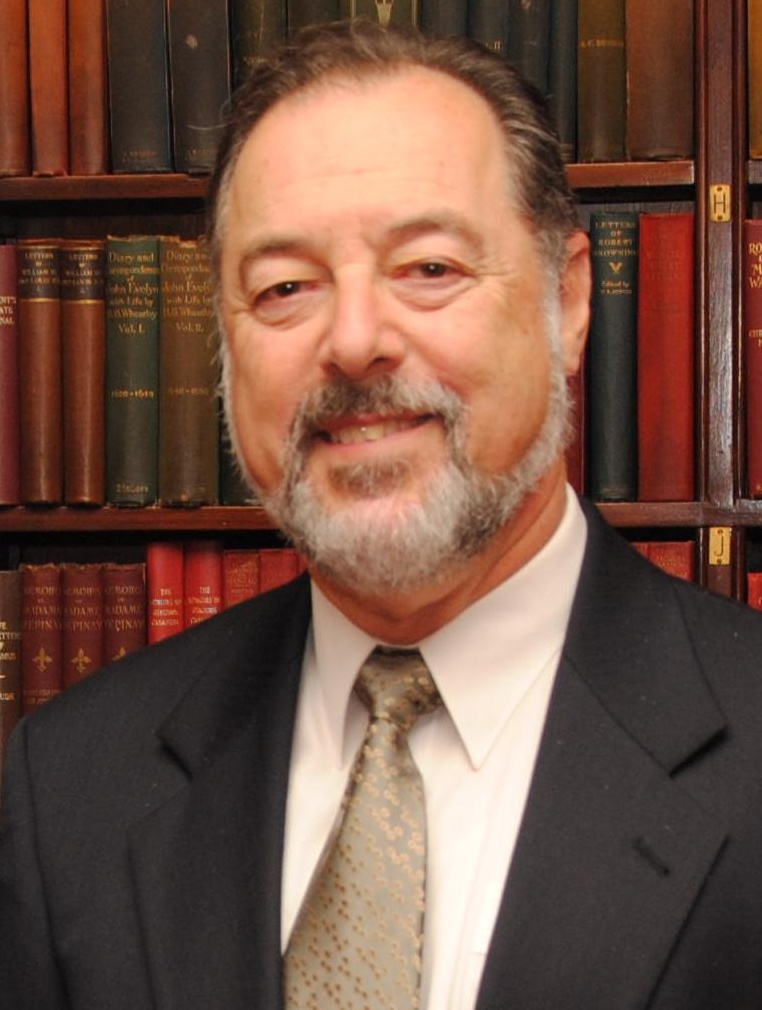
Tibor Molnar
Editorial Member
An accomplished autodidact with a career spanning science, technology, research, and philosophy, Tibor has built a distinctive interdisciplinary profile shaped by decades of professional and intellectual engagement. He initially studied Chemical Engineering at the University of New South Wales (UNSW) and spent the early part of his career in industrial chemistry. His interests later shifted toward computing, where he held senior leadership roles in technology operations. Following retirement, he taught Philosophy of Science at the University of Sydney and remains active in public philosophy and interdisciplinary education.
View full bio →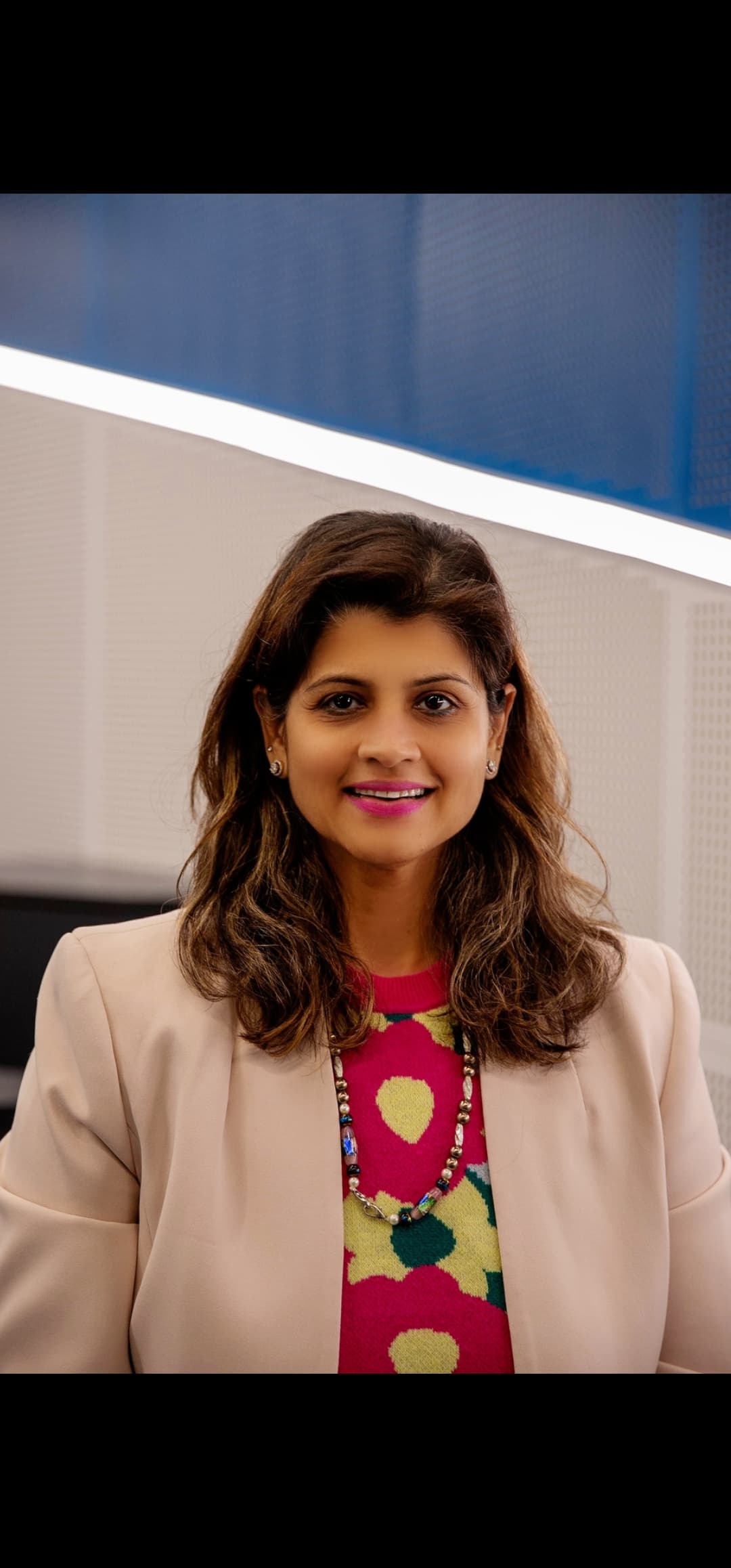
Dr. Sarika Kewalramani
Editorial Member
Sarika Kewalramani is an Associate Professor in STEM Education at Swinburne University of Technology and the Department of Education, School Partnerships Lead. She has been a primary/secondary science, chemistry and mathematics teacher for 10+ years in Australia. Her versatile experiences in PreK-12 contexts and affiliation with primary and secondary public and independent schools/preschools in Victoria, including being a secondary school’s Head of Science Domain (2010-2014) guides her research to enhance STEM education opportunities for disadvantaged communities focusing on girls' STEM belonging and early engagement. Sarika leads a strategic program of funded research and outreach programs exploring inclusive STEM and Robotics teaching and learning strategies codesigned by teachers, parents, and communities for shaping students STEM pathways.
View full bio →